
I Looked Rich in Inventory and Broke in Cash
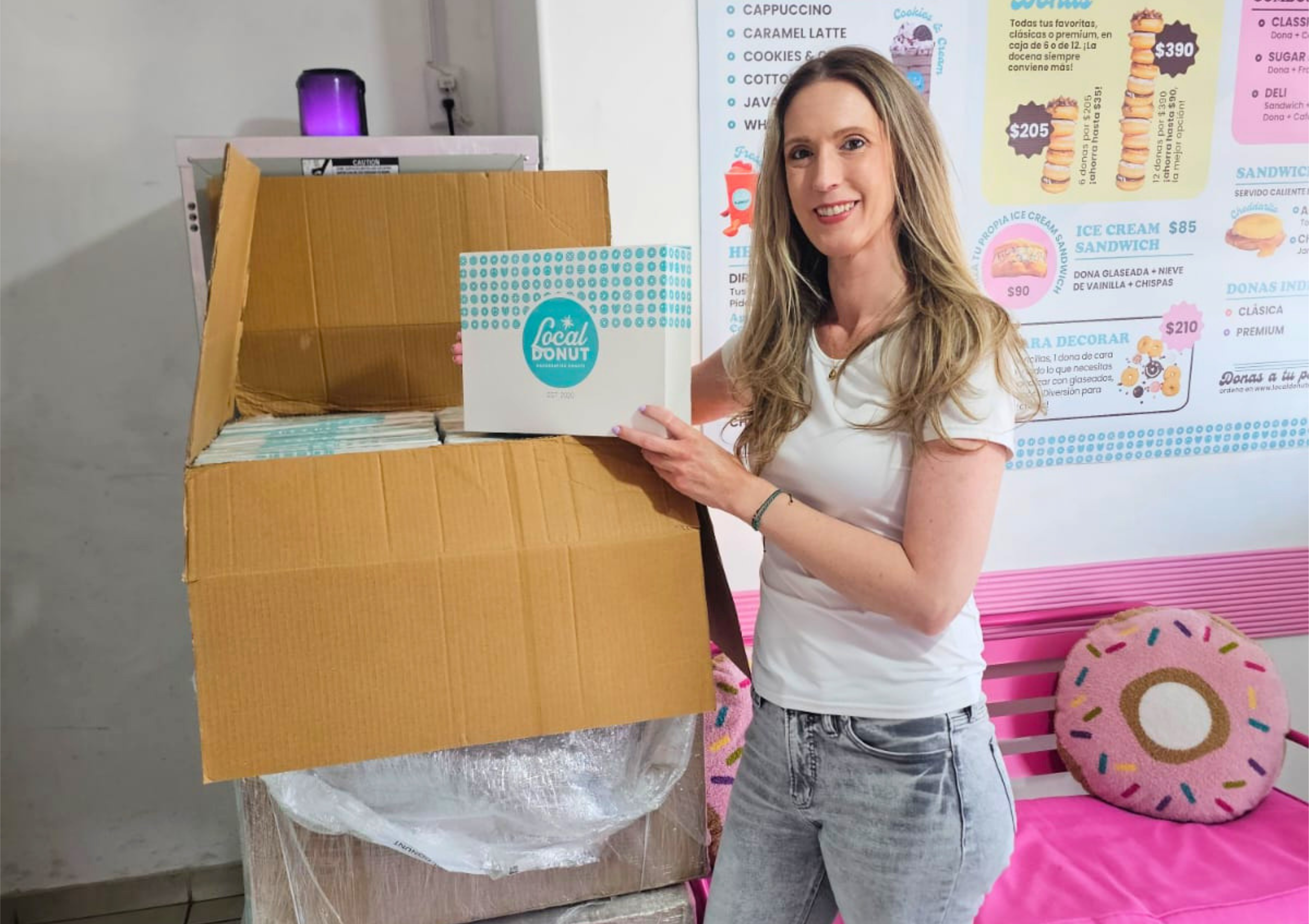
When I first opened my business, I thought buying in bulk was one of the smartest financial decisions I could make. The math seemed simple enough. Lower unit costs, fewer supply runs, less time spent chasing ingredients and packaging, and the comfort of knowing we were fully stocked no matter what the week threw at us.
A packed stockroom gave me peace of mind. It made me feel organized, prepared, and successful. If shelves were full and supplies were stacked high, I assumed we were operating like a serious business.
What I didn’t understand yet was that inventory can create the illusion of strength while quietly draining the thing a business actually survives on: cash.
At one point we had around 300,000 pesos tied up in product. Donut concentrates, cups, sprinkles, nuts, Oreos, packaging, toppings, and enough variety to support more flavors than we probably needed. I wasn’t just buying deep, I was buying wide. We had breadth and depth, and I wore that like a badge of honor.
Meanwhile, the savings I was chasing were often less than five percent.
That small discount came with a much larger price tag. Payroll became stressful. Taxes got pushed aside. Late fees and interest started piling up. Because suppliers extended credit, it was easy to keep ordering without feeling the pain immediately. That’s one of the most dangerous things about supplier credit. It delays reality.
To make matters worse, abundance made everyone careless. When employees know there are hundreds of cups in the back, a smashed sleeve of cups doesn’t feel important. When toppings seem endless, portions get heavy-handed. When no one is counting closely, waste becomes invisible.
Then came the moment that forced me to see the business clearly.
When we opened our second store, I went to the flagship location expecting to pull inventory for the launch. In my mind, we had plenty. The stockroom had looked full for so long that I assumed the numbers matched the picture.
They didn’t.
Much of the inventory was gone, unaccounted for, wasted, overused, mishandled, or never properly tracked. Our manager stood there with the kind of blank expression that tells you no real answer is coming.
So we opened store number two carrying supplier debt and without the inventory position I thought we had. That hole became harder and harder to climb out of, and we ended up closing the second location less than two years later.
Later, one of our suppliers cut us off until we paid what we owed. I had to scramble for alternatives, switch products, and hope customers wouldn’t notice the difference. At one point I even had product flown in from another part of the country at a premium price just to keep operating. Naturally, paying more for the same inputs made it even harder to pay down the debt that caused the problem in the first place.
I also used personal money to cover payroll more than once. That part doesn’t show up on financial statements, but it matters. The stress follows you home. The shame follows you into conversations. The reputation damage lingers longer than the late payment itself.
Eventually I learned that a full stockroom does not mean a healthy business. Sometimes it just means your money is sitting on shelves collecting dust.
Now we buy differently. We purchase what we need for the week, we count inventory every Wednesday, and we pay attention to what is actually moving. Instead of trying to carry everything, we stock deeper on what sells and let the rest go. I’m also happy to pay a small delivery fee when it saves a trip across town, because convenience is only expensive when you fail to measure the real alternative cost.
The result has been better profitability, lower stress, tighter controls, and employees who know inventory matters because it is no longer endless.
A lot of small business owners hand over their cash too quickly in exchange for the feeling of being prepared. They fill shelves before they build a cushion. They pay suppliers before they pay themselves. They stock slow movers because variety feels exciting.
If I had 20,000 pesos to work with today, I would buy the essentials, set aside money for taxes, protect some runway, and keep the rest liquid.
You can run a business with modest shelves.
You cannot run one without cash.
And sometimes the biggest improvements in a business don’t come from working harder, but from seeing where money, habits, and decisions are quietly working against you. That’s the kind of problem-solving work I enjoy most.
